MSAP Modules 5 to 8

Program Outline
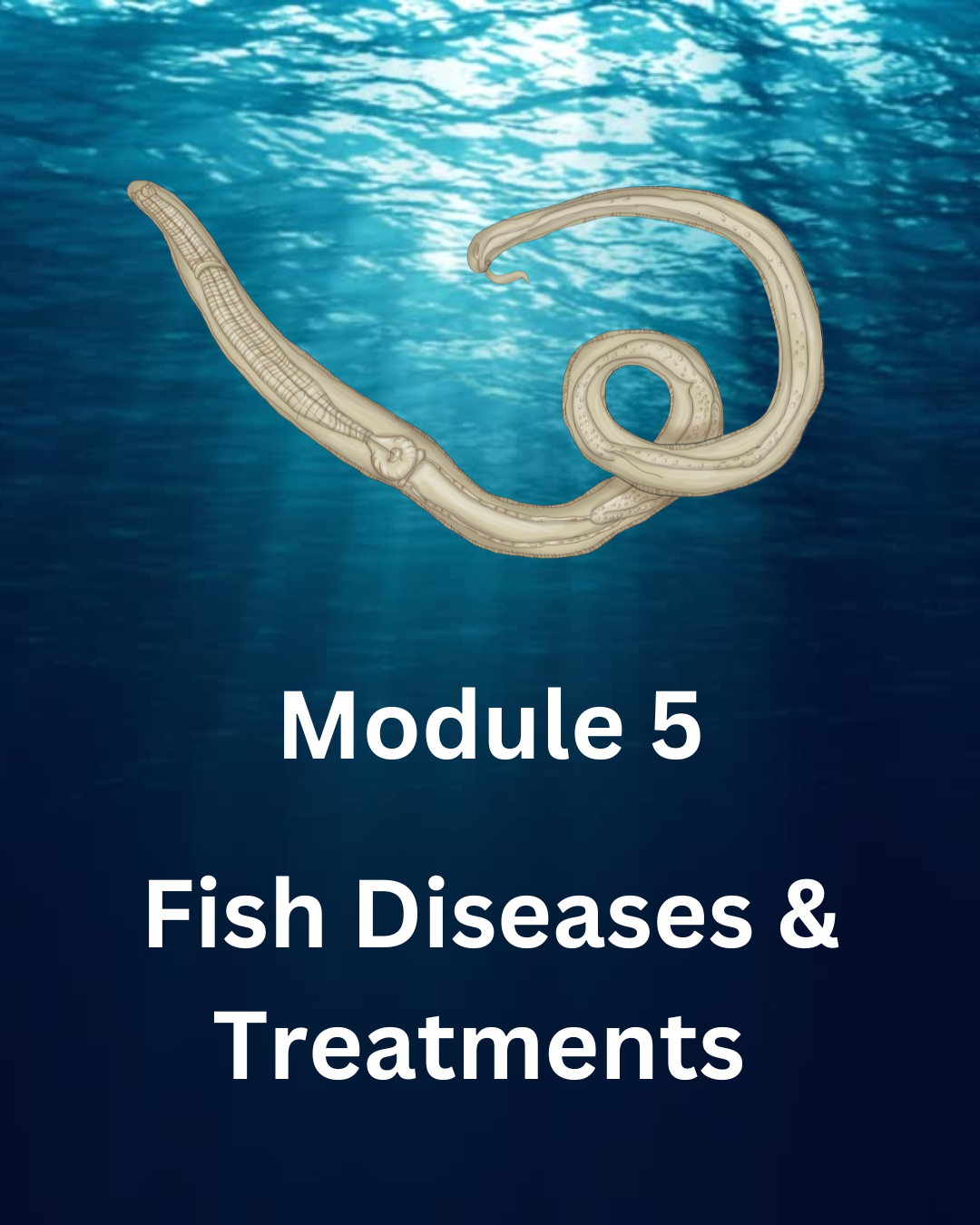
Module 5 - Diseases and Treatments
Examines the various groups of diseases – protozoans, bacteria, fungus, virus etc. Once a diagnosis is made – how do you successfully treat the problem using a holistic approach? Non-infectious diseases, such as gas bubble disease, will also be covered.

Module 6 - Nutrition and Reproduction
The basics of nutrition - protein, carbohydrates, fats, vitamins and minerals. What they are and why they are important? Types of foods, including live foods and their production. Covers food acquisition, storage, preparation and handling. Will also address target feeding of specimens in a mixed species display. The importance of nutrition on the immune system. Reproduction and basic genetics.
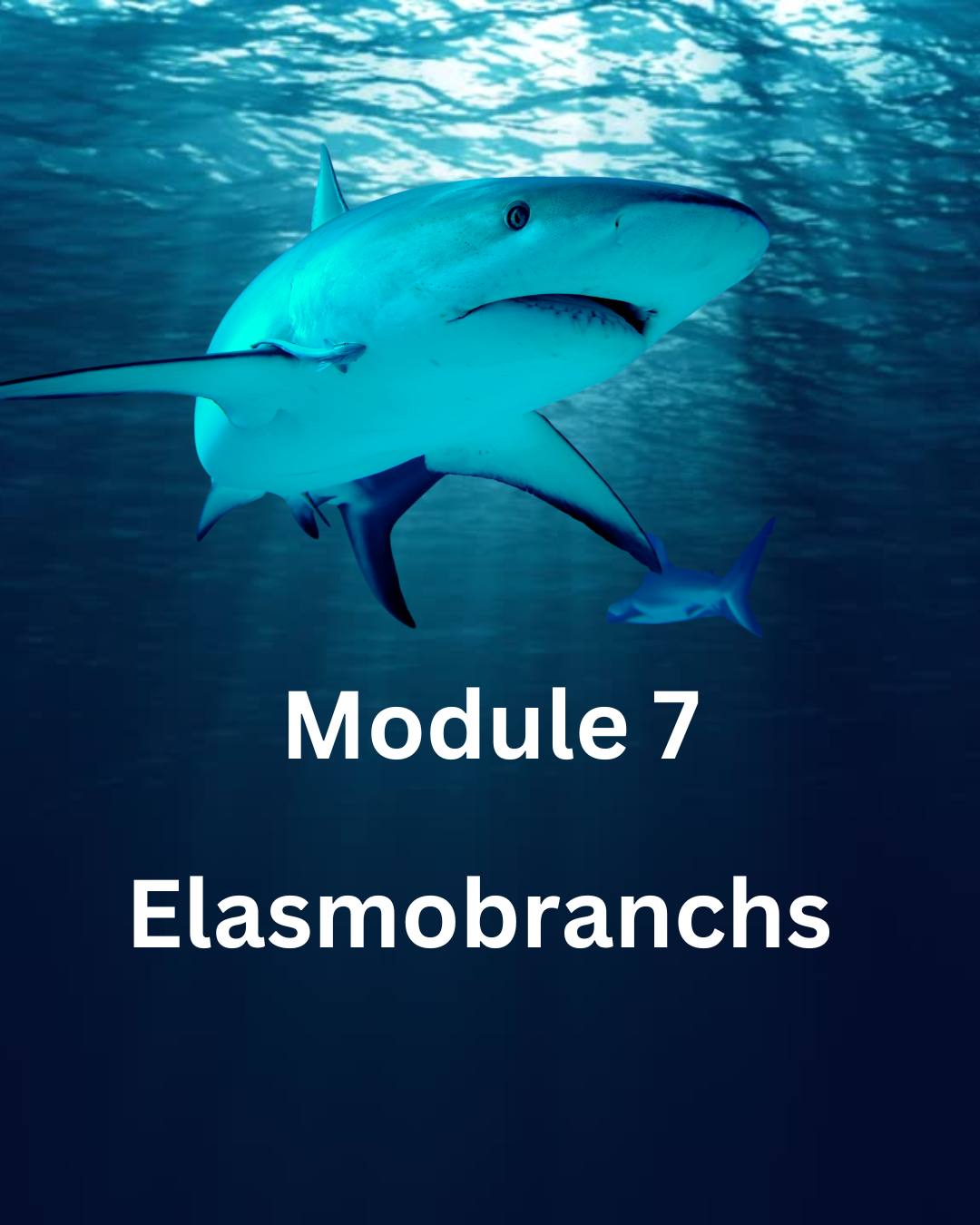
Module 7 - Elasmobranchs
Deals solely with elasmobranchs which are a vital part of our large aquarium displays. It will examine anatomy and physiology as they differ from teleosts, as well as any other differences in handling, sample techniques, diseases and treatments etc. Shark transport and exhibit design for sharks will be addressed. Reproduction including artificial techniques are included in this module.

Module 8 - Cephalopods and Crustaceans
Examines anatomy and physiology as well as husbandry and breeding. Diagnostics will be covered, as well as diseases and treatments.
- Access your courses anytime, anywhere, with a computer, tablet or smartphone
- Videos, quizzes and interactive content designed for a proven learning experience
- Unlimited Access to the LMS to complete four modules within 12 months from registration.
- Each module consists of 35,000 – 45,000 words, with accompanying pictures adding up to approximately 160 – 180 page document. The time involved in reading the material and sitting the examination would be approximately 15 to 20 hours for each module.
-
Share This Learning Path